


Valves for Liquid Cooling Systems
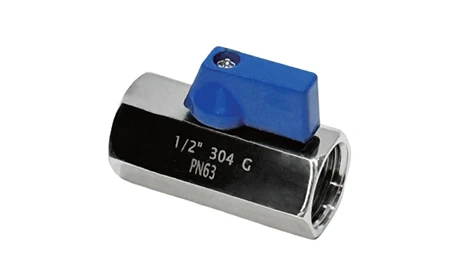
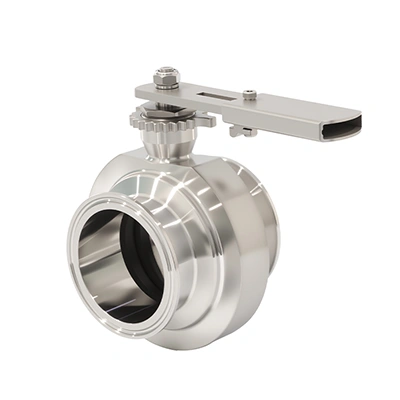
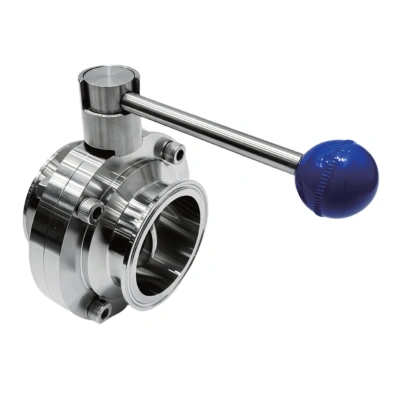
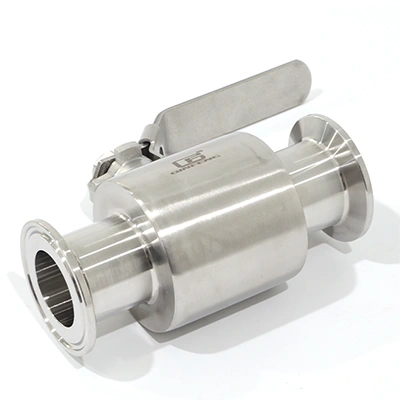
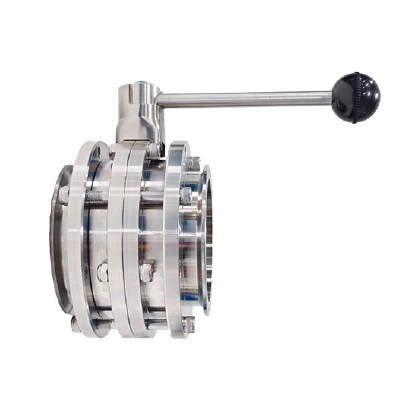
Stainless steel butterfly, ball, check, exhaust and safety interlock valves engineered for coolant isolation, flow control and maintenance across data center and industrial liquid cooling loops.

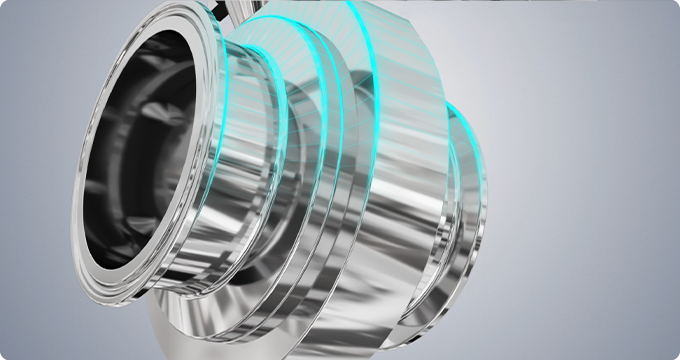
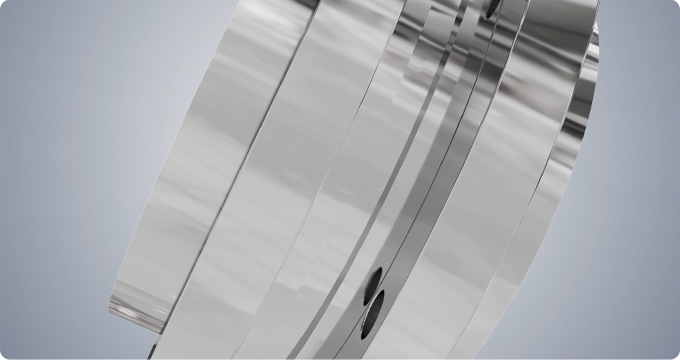










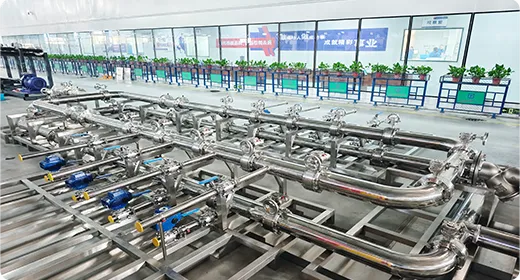
Every hygienic valve undergoes 100% shell hydro and seat leakage testing — zero bubbles equals zero leak. Surface finish verified to Ra ≤ 0.4μm. Material confirmed by spectrometer with full traceability. Cleanroom-assembled and packaged for contamination-free delivery.
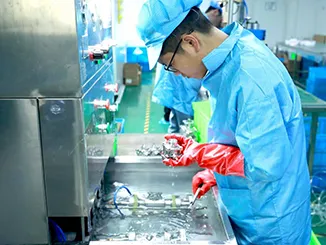
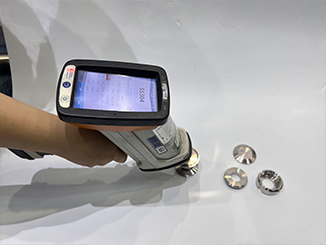
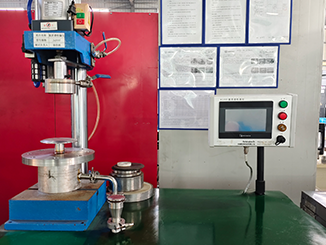
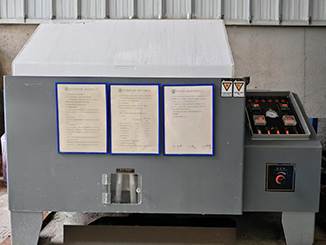
* All hygienic valves are 100% tested and cleanroom-packaged before shipment.
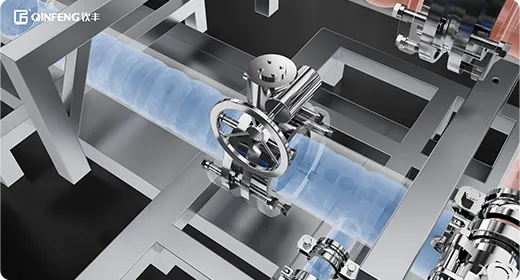
Valve sizing by your flow and pressure specs. Material compatibility analysis for your coolant type. Custom end connections (Tri-Clamp, weld, flange). Actuator selection support (manual, pneumatic, electric).
What is CIP and SIP compatibility in sanitary valves?
CIP (Clean-in-Place) and SIP (Sterilize-in-Place) compatibility means valves can be cleaned and sterilized without disassembly. Full drainability and electropolished surfaces ensure no residual media remains after cleaning cycles.
How does triple sealing prevent leakage in hygienic valves?
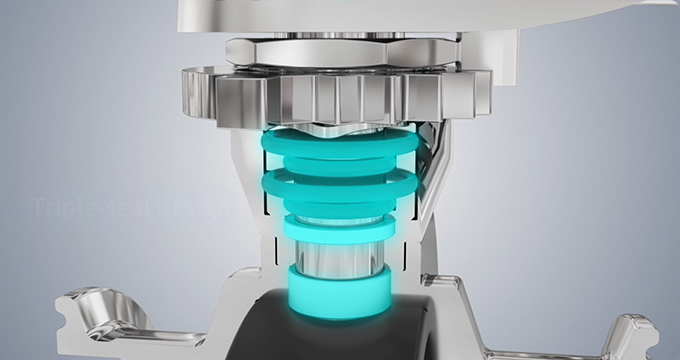
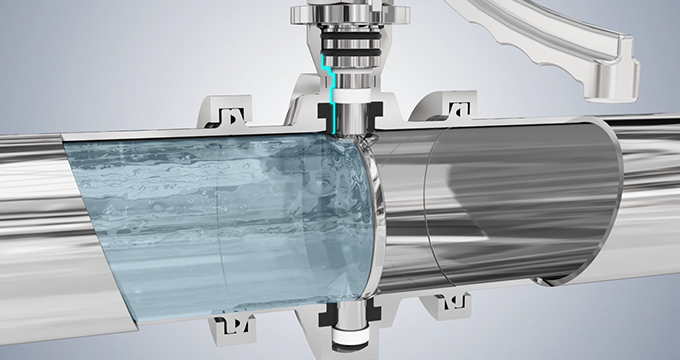
Two O-rings inside and two outside the mid-head sealing ring create redundant protection. Under abnormal conditions, fluid is contained within the stem chamber — conventional valves leak from both stem and body joints simultaneously.
Why use one-piece welded valves in sanitary process systems?
One-piece welded body eliminates bolted joints where bacteria could accumulate. Argon arc welding creates a seamless internal surface — no crevices, no contamination traps, full cleanability between batches.
What makes a valve hygienic-grade for food and pharmaceutical applications?
Hygienic valves feature zero dead-leg design for full drainability, electropolished surfaces to Ra ≤ 0.4μm to prevent microbial adhesion, and one-piece welded bodies to eliminate leak paths. Certified to 3-A, DIN, and ISO standards for sterile processing.

 View Certificate