

 Jun 15,2026
Why Liquid Cooling Has Become a Non-Negotiable Requirement
The numbers tell a clear story. The liquid cooling adoption rate among AI servers is projected to reach 57% in 2026, up from just 23% a year earlier, according to industry reports. The global data center liquid cooling market was valued at approximately $4.8 billion in 2025 and is estimated to grow at a CAGR of 18.2% to reach $27.1 billion by 2035. By 2029, the market is expected to approach $7 billion in manufacturer revenue, reflecting liquid cooling’s transition from a niche technology to a foundational requirement for deploying next-generation AI infrastructure. The driver is straightforward: today’s AI racks routinely demand 30–100kW, up to ten times the density of traditional computing, and air cooling alone cannot handle this density efficiently.
Regulatory Pressure Is Accelerating the Transition
Regulation is adding momentum. The EU Energy Efficiency Directive, Germany’s Energy Efficiency Act (EnEfG), and California’s energy efficiency standards are all pushing operators toward advanced cooling solutions. EnEfG is particularly demanding: data centers that commence operations after 1 July 2026 must achieve an annualized Power Usage Effectiveness (PUE) of 1.2 or lower. Liquid cooling is the most direct path to meeting these targets, as liquid-cooled facilities can achieve PUE ratios of 1.05–1.15, far lower than the 1.4–1.8 typical of air-cooled installations.
Standards Are Catching Up to Real-World Deployment
Industry standardization is also evolving. ASHRAE TC 9.9 has revised its liquid cooling guidelines multiple times to address the needs of high-density environments, while the Open Compute Project (OCP) maintains active workstreams focused on standardizing cooling components and interfaces, including a universal quick-connect specification that defines standardized interface dimensions and performance requirements. These developments signal that the industry now treats liquid as a long-term platform, not a niche experiment.
What This Means for Data Center Operators
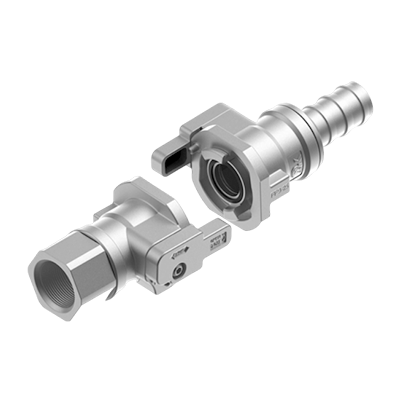
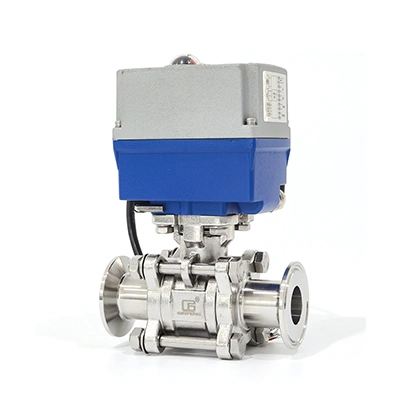
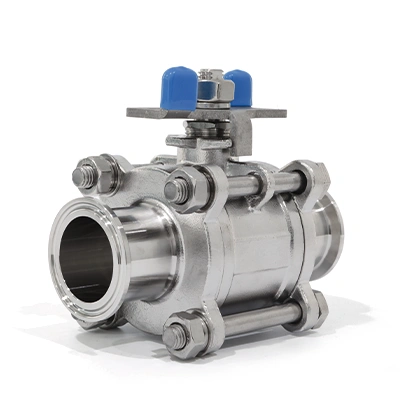
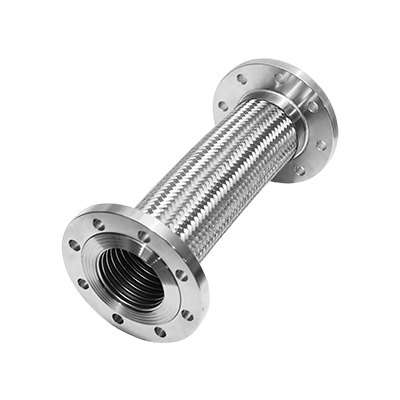
For facility managers and procurement teams, the question is no longer whether to adopt liquid cooling, but how quickly and reliably to implement it. The challenge is balancing speed, cost and quality — and that’s where component design and supply matter. Choosing valves, filters, bellows and piping that are engineered for continuous operation, zero leakage and easy maintenance directly impacts PUE and uptime. As the industry standardizes, operators should look for suppliers whose components already align with emerging specifications and whose manufacturing processes support factory testing and modular delivery.
Listen to Industry Leaders Share Real-World Deployment Lessons
For a real-world perspective, the podcast "Keeping IT Cool | Liquid 2026" (Data Center Dynamics) brings together industry leaders already deploying liquid cooling in operational data centers. Episodes explore liquid cooling readiness for the AI factory era, rethinking liquid cooling deployment in existing facilities, and engineering sustainable cooling architectures for efficiency at scale.